Saving of real estate space

As the name suggests, a Digital point of sale (POS) is a place where the customer does the payment for products or services and the receipt is generated electronically. This payment includes applicable taxes. In short, digital POS systems enable businesses to sell their products or services through physical stores as well as online. It actually simplifies the process of collection of money.
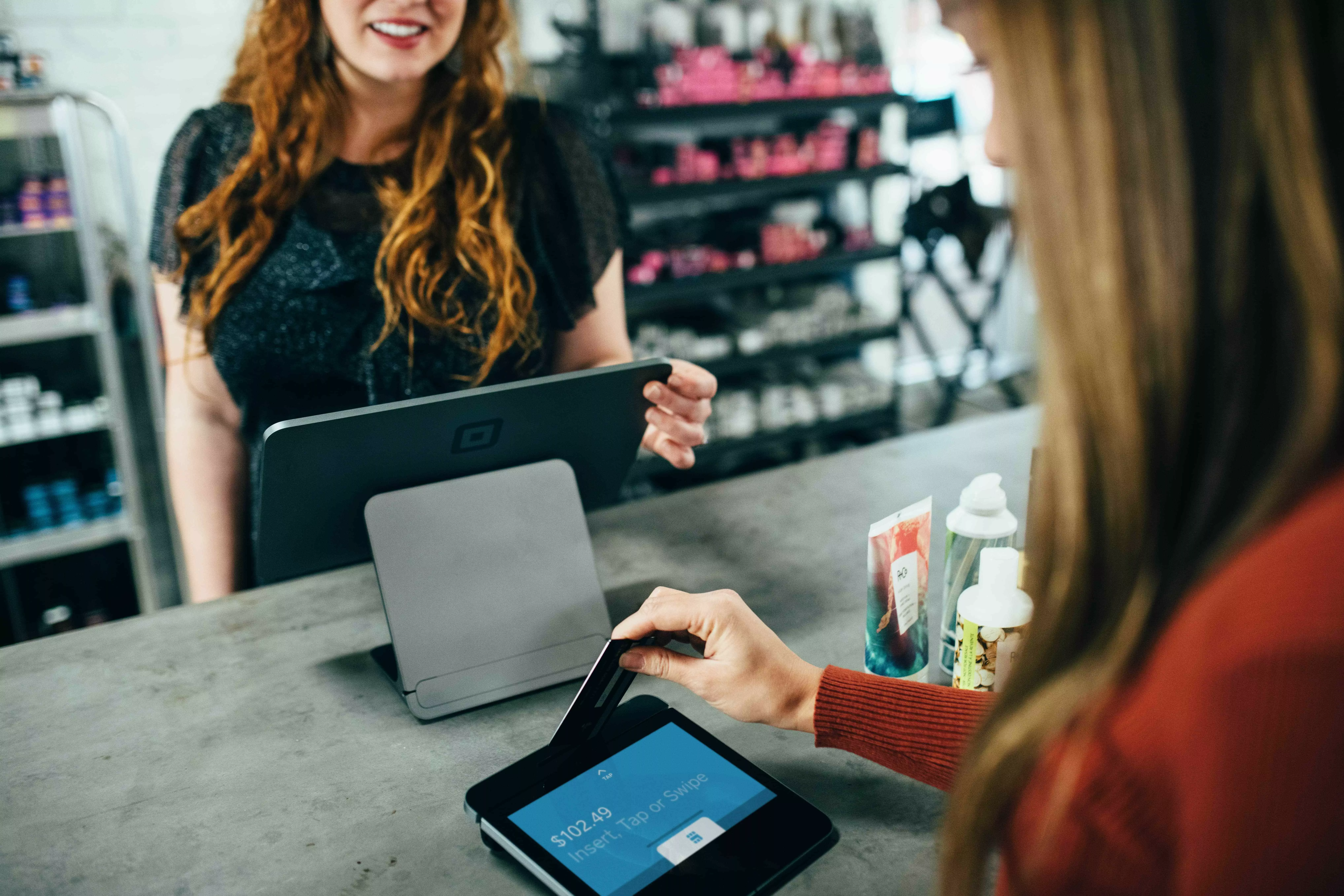

MAAS helps to deal with the key problem areas related to sales processes from the customer's perspective.
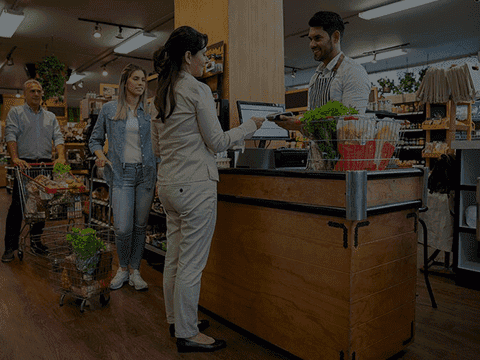
Shoppers are facing a poor customer experience as they must wait in the queue for the billing. Sometimes customers may abandon the purchase because of the long time taken for the check-out process. Stores are aware that this is one major pain point for customers and during peak periods (Friday-Sunday), the waiting queue can be as high as 10 people, and waiting time can be as high as 15-20 minutes. Moreover, customers are limited in their access to the information about the product and help they can get in a store and from the label. This is leading to poor customer experience and in turn loss of sales.
Retailers with traditional POS systems lack an effective and integrated mechanism to capture customer data like purchase history, demographics, purchase frequency, etc. This is denting the opportunity to offer personalized recommendations to customers & fail to efficiently manage inventory as per purchase history. Therefore retailers are missing the big picture of customer retention, loyalty rewards, and upselling.

Retailers are traditionally paying salaries to the staff for mundane jobs like billing (cashiers) and shelf keeping. In this process, customers are left alone while the staff is busy with operational activities. This proves to be an inefficient return on investment. Wages for employees is an extensive expense account for the business that could be digitalized and manual power can be used more efficiently.
Usually, stores have multiple sales points, the combination of online and offline. The need to constantly update the stock, so it’s accurate is crucial. The process usually involves a lot of delays and requires a lot of manual power. Moreover, all the products need to be manually updated on different platforms, which is another unnecessary and labor-consuming task.
Customers find it difficult to be queued for a long duration and to make cash payments. All of these problems can be solved with MAAS Retail
All of these problems can be solved with MAAS Retail”*in blocks, just the key word, explanation when cursor comes to the block
Customers shall login to our self-checkout app after registration and can use it for self-checkout at any retail stores associated with us. Customers can scan the product to know product information and move it to the physical cart for pick-up & also to the self-checkout cart for billing. Thereby customers can place orders without waiting in the queue and leave the store.
There are obvious cost advantages that are associated with self-checkout technology. This technology eliminates the need for human cashiers. As a result, the wage bill of the store gets reduced. In lieu, the store must pay money to procure, maintain and upgrade technology. However, convenience is the main factor behind the adoption of self-checkout technology. Since very few humans must be employed at stores, companies can keep their stores open for longer durations and provide better customer service.

When all purchases are routed via an app, the company has all the purchase data in an electronic format. This means that we can analyze the purchasing patterns of every individual and create personalized offers for them. Leading companies are heavily banking on predictive analytics techniques as well. Some of these apps are intelligent enough to make meaningful offers to the customers when they are in the middle of the purchasing process. This often induces customers to buy more and helps pad the top line of the company.
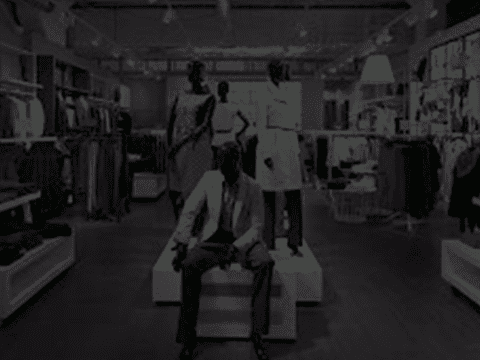
One of the key metrics of retailers is sales per square foot. With self checkout technology retailers can save space without having check-out infrastructure and use it for product display & add shelf space. This leads to improved metrics with the increase in the number of products kept for the display.

Research has found that many times customers felt embarrassed while they placed their orders and purchased less. With self-checkout technology, they do not have to come face to face with another human being and hence end up ordering things that they do not need or feel unfavourable emotions.
MAAS helps to manage your retail business end-to-end, in accordance with your specific needs.